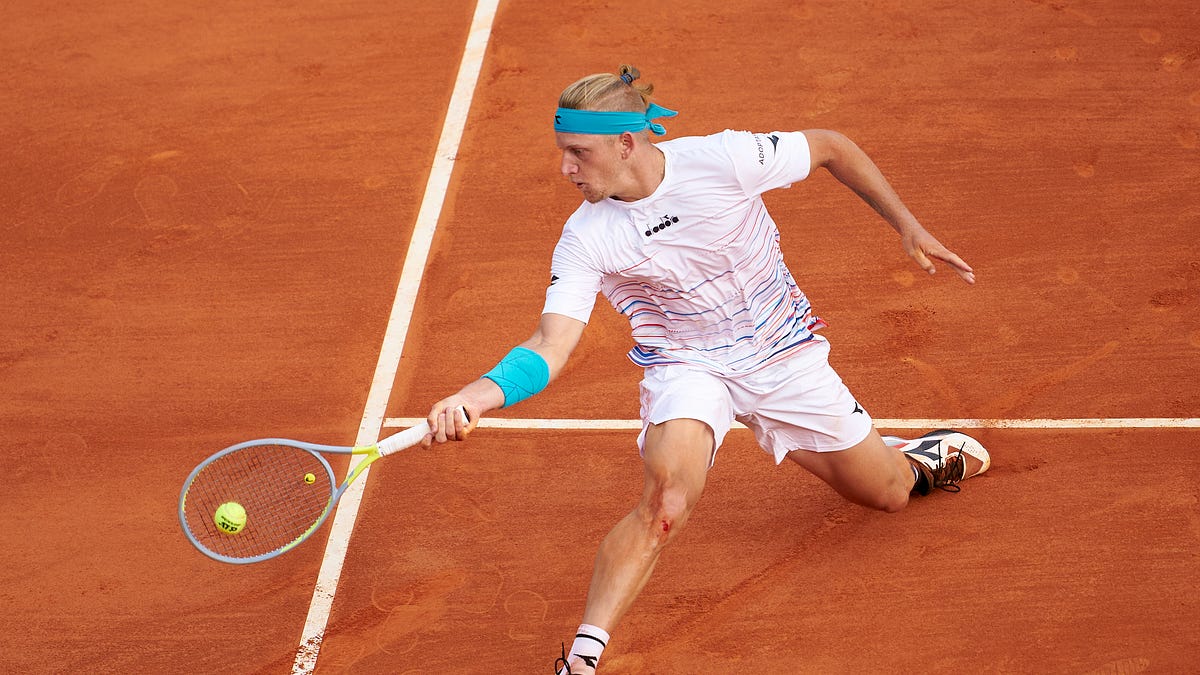
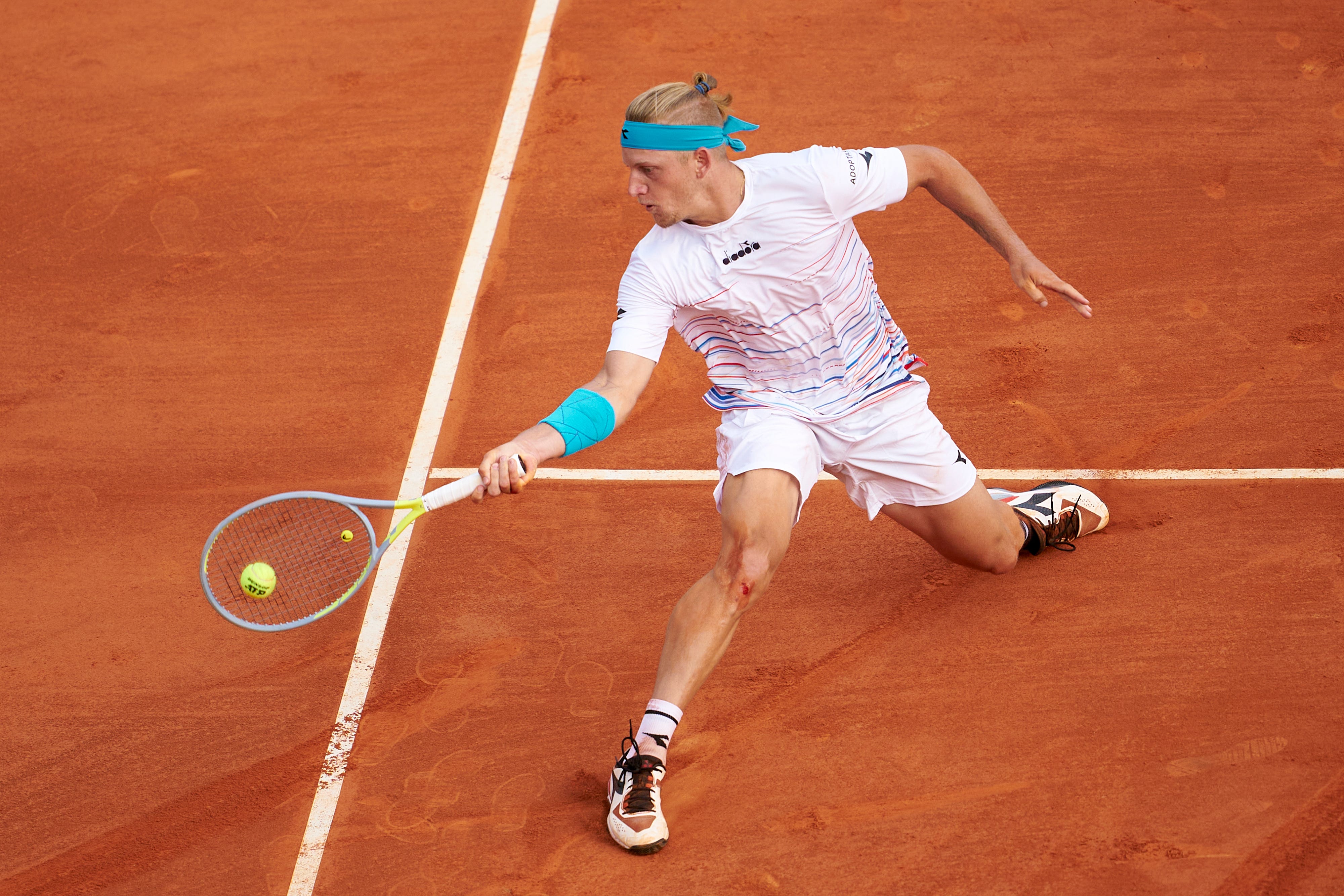
The biggest story of the week so far in Monte Carlo was Djokovic losing in his opening round to Davidovich Fokina. Fokina has now made the quarterfinals, after beating David Goffin in straight sets today, and is playing excellently.
Djokovic was reportedly ill and physically ‘ran out of gas’ in the third set. He was also broken 9 times overall, which is the most of any best of three sets match in his career. But Davidovich Fokina was the better player throughout the entire match with the exception of the end of the 2nd set tiebreaker.
It’s much too early to read that deeply into Djokovic’s loss. Not only does he have a poor recent record in Monte Carlo, but it’s also just his 4th match of the year, in mid April. Djokovic also lost early to Dan Evans last year in Monte Carlo before making the final of Rome and winning Roland Garros a month or so later. It’s definitely premature to declare his demise. But there were a bunch of telltale signs of what Djokovic is going to need to do to right his ship in the months to come, and of what Davidovich Fokina did so well to compound Djokovic’s issues.
Fokina exploits Djokovic’s early clay season weaknesses
Novak at his best on this surface is both a rally beast and an early point aggression beast. But against Davidovich Fokina, the world No.1 really had no reliable ways to win points, whether they be short or long. In the sets he lost (sets 1 & 3), Djokovic won just half of his 1st serve points (or 24/48 points or 50%), which is in the top 10 worst serving performances of his clay career. His career avg on 1st serve points won on clay is 71%. Novak was serving a little bit slower than some of his clay court season last year but it was really Djokovic’s inability to do damage on his 1st and 2nd shots, after the serve, that hurt him most.
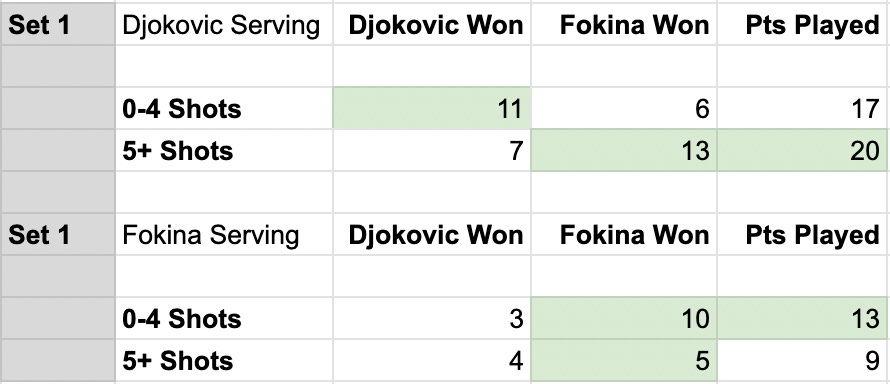
And things only got worse for Djokovic in set 3:

Simply, Djokovic had little to no serving advantage (while Fokina did), and got outplayed by Fokina in the longer baseline exchanges.
No wonder Djokovic was flagging by set 3, ill or not. He was having to contest most of his service games in tough baseline rallies and had to play far more of them overall (126 Djokovic service points played to Fokina’s 93!).
This is part of what has made Djokovic so difficult to beat in his 30’s more generally. An improved serve that means he often gets to breeze through his own service games and then make a nuisance of himself on return of serve. But if opponents can make Djokovic’s serving life less routine, as Fokina did this week, there are late-career cracks that can appear, especially on the back of time away from competition.
This has been a theme for Djokovic in early parts of his clay seasons for some time now post-prime. He initially struggles to find the kind of power he needs, especially off his forehand wing, and ends up playing gruelling exchanges which compound physically. Davidovich Fokina seemed to recognise this very early on, and partially because of the wind, but also because the Spaniard knew that Djokovic wasn’t going to blast him off the court with winners early in the point, he employed an intelligent return strategy by making lots of returns down the middle:

This meant that Davidovich Fokina, who is not known for having a particularly big or effective serve, actually hit a higher % of unreturned 1st serves than Djokovic (15% to Djokovic’s 14%), forcing Djokovic into plenty of neutral baseline rallies (where Novak was an underdog on this particular day).
In those rallies over 5 shots, Davidovich Fokina hit 24 winners and got 28 unforced errors from Djokovic. Djokovic hit 15 winners and got 18 unforced errors from Davidovich Fokina. Fokina had better offence and made fewer mistakes in neutral baseline rallies.
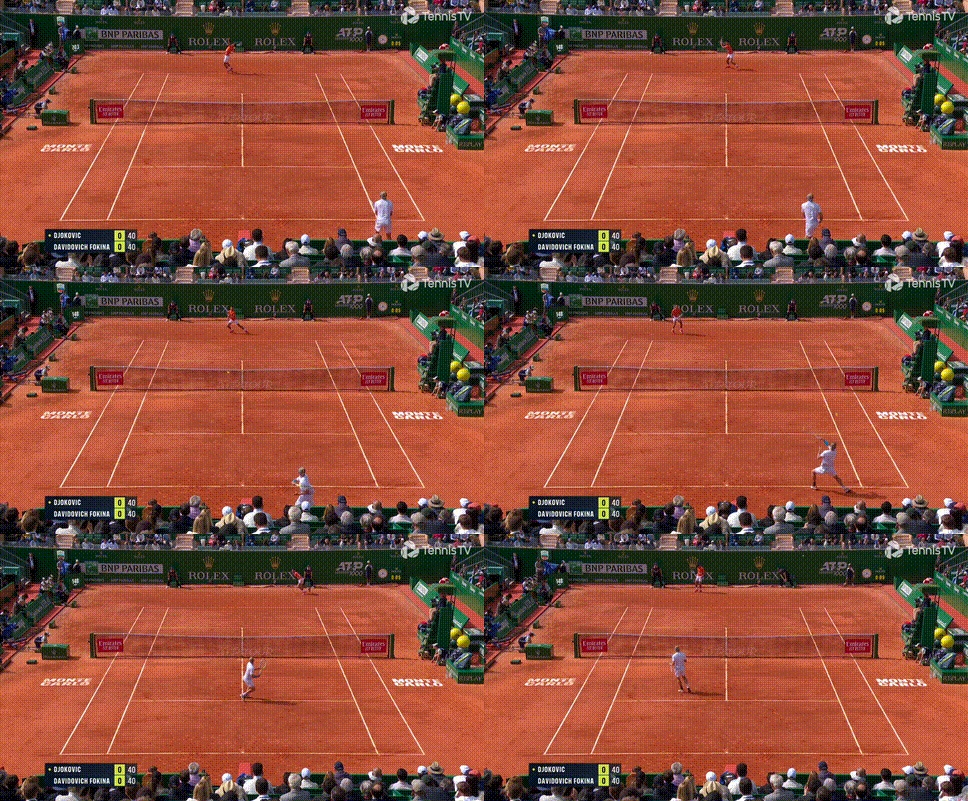
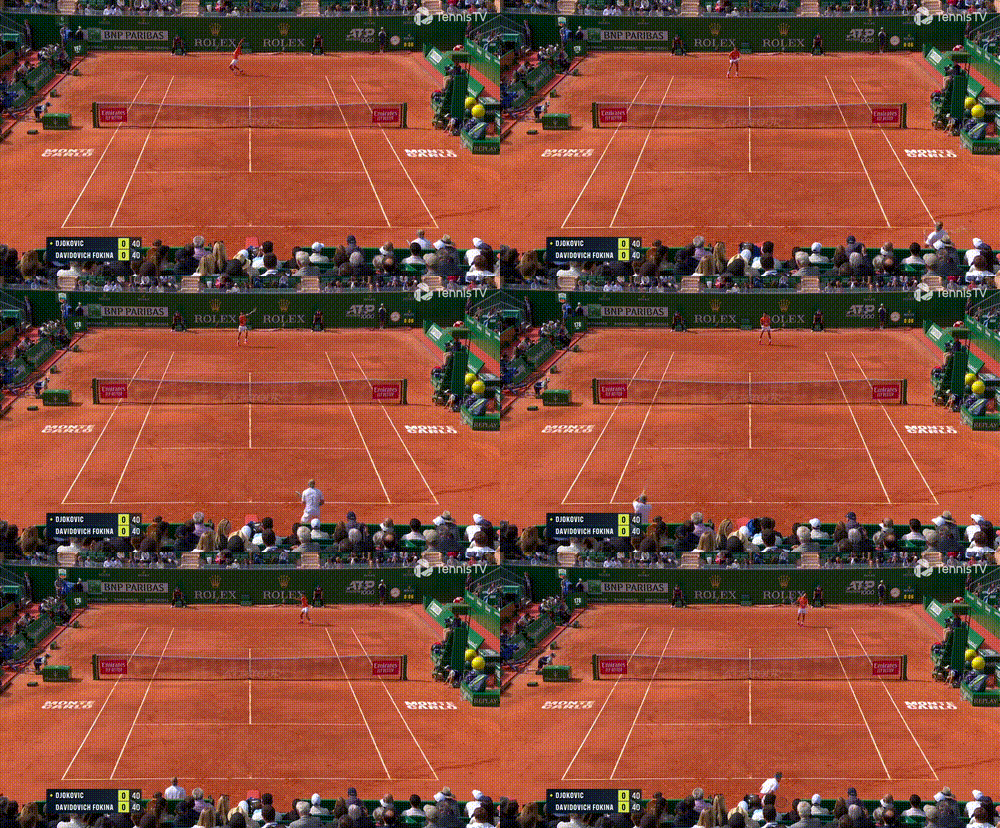
Djokovic tried occasional drop shots to shorten points and avoid longer rallies, as he so often has in the last few clay seasons, but Fokina’s excellent foot speed scuppered most of them. He tried to be more aggressive with his forehands but either missed (as above) or didn’t find the depth. And Novak did actually manage to win the most important long point of the 2nd set (the very entertaining set point). But over the course of the three set match, Fokina simply looked more comfortable in multiple different ways to win points. Either Djokovic will need a clay season full of even better than usual drop shots and net play, or his shot tolerance and forehand offence will need a significant bump in performance (or preferably for him, both).
As great as Djokovic’s backhand is, it’s still (like 99% of players on the tour) his forehand that does most of the offensive damage and sets up a lot of his opportunities to be offensive with his backhand, especially on a surface like clay. That shot, along with his 1st serve, haven’t clicked for him yet. We’ll see if he can start to remedy that in his home tournament of Belgrade next week. Look for serve+1 potency and especially his ability to create space to hit into with early point forehands.
Simultaneously a great result and performance from Davidovich Fokina, who gets a win over his idol, and not-the-worst-loss-in-the-world for an undercooked Djokovic.
Davidovich Fokina post match: “When he (Novak) won the second set it was tough mentally, but I am working so hard to be more focussed. It doesn't matter if I lost the second set or I lost the first set. I have to be prepared for the war.”
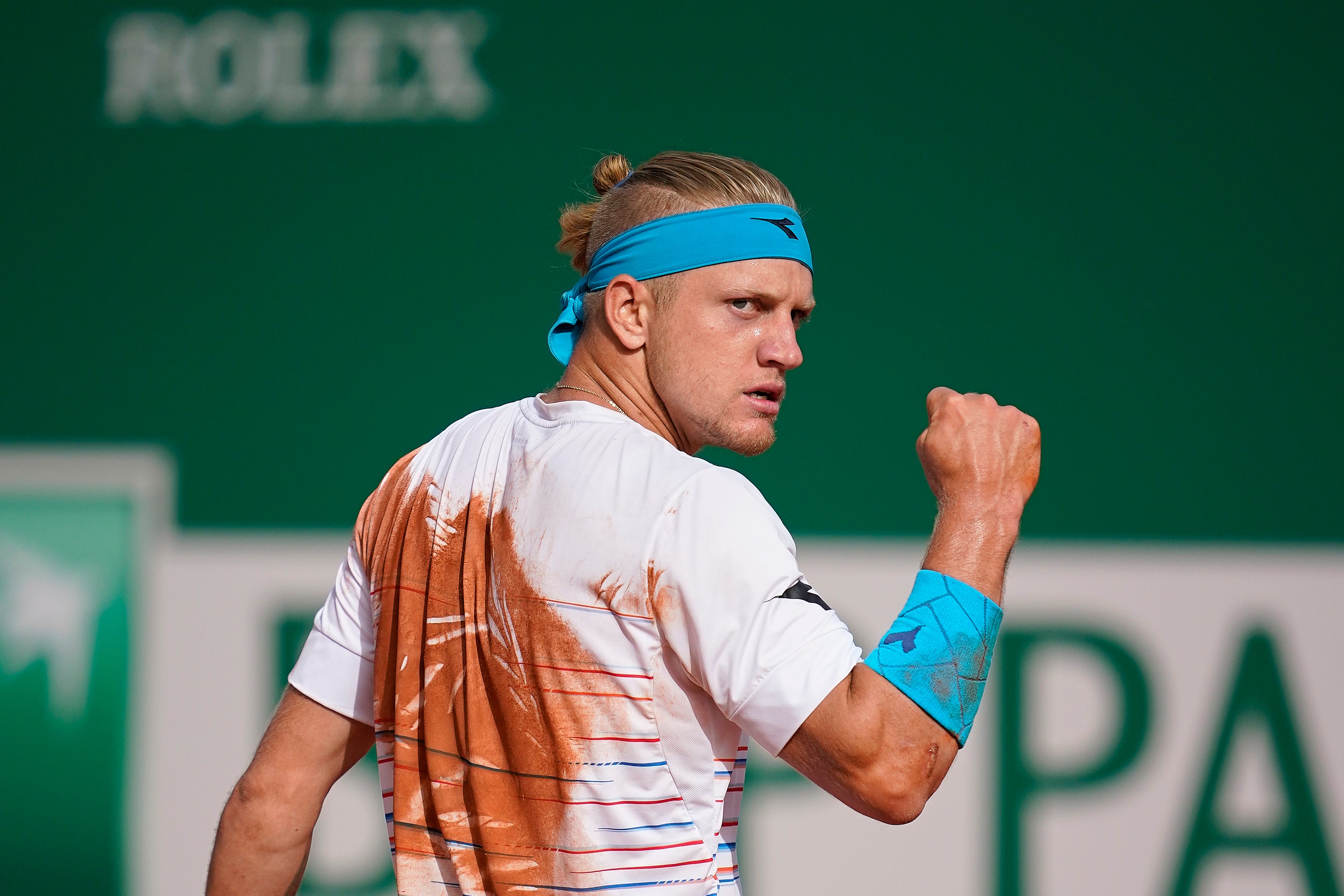
Davidovich Fokina, caked in clay and bleeding from multiple dives and falls, was very obviously prepared for war. Djokovic, after his bizarre start to the season, isn’t battle hardened yet.
- MW
Twitter: @mattracquet
I’ll see paid subscribers on Sunday for Monte Carlo final analysis.
The Racquet goes out twice a week, a (free) piece every Thursday/Friday and a (paid) analysis piece every Sunday. You can subscribe here (first week free):

Top and Bottom: Manuel Queimadelos/Quality Sport Images/Getty
Most recent:
