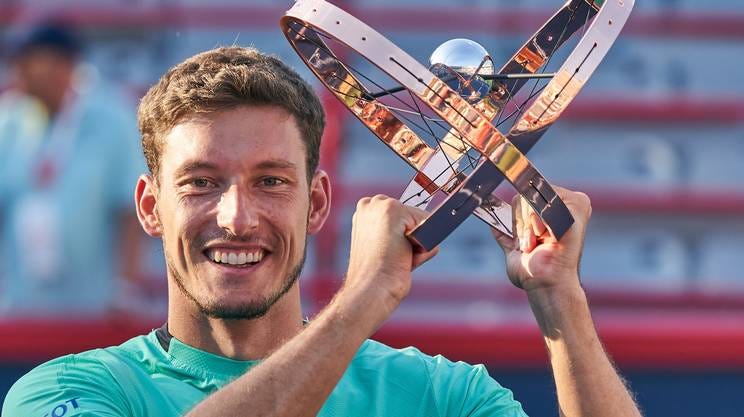
Pablo Carreno Busta is your champion at the Montreal Masters!
He wins a Masters title for the first time at the ripe old age of 31 years old. It's gotta be the Cinderella story of the year for those fans that have been with us the last 10 years or so, right (unless you're Nick Kyrgios)?
For those like Nick that don't think he deserves it, let's delve a little deeper into how he defeated Hubert Hurkazcz to win the title, specifically looking...
How Hurkacz gave up two crucial breaks of serve.
How Carreno Busta covered both his first and second serves throughout the match.
Enjoy!
Hurkacz Under The Microscope
There is a strange disparity in Hubert Hurkacz's mental game - it was more evident than ever in last Sunday's final.
You see, 60 issues of the blog ago1, I noted how many improvements Hubi had made to his serve. He'd upped his average first-serve speed and placement and so to upped his numbers under pressure, able to save break points with impeccable serving in the tightest moments.
Whilst he is a break point saving machine however, cracks in Hubi's game have started to show in other pressure areas of the game. If that serve does get put back into play, in tighter situations the forehand is the shot that breaks down (I wrote about this shot in return situations leading him to a third-set-tiebreak losing streak of six).
So when a few of those first-serve returns inevitably came back against a solid returner like Pablo Carreno Busta and he was given the plus one forehand to go aggressive on, Hubi was unable to deliver.
Ahem... These GIFs ain't pretty folks.
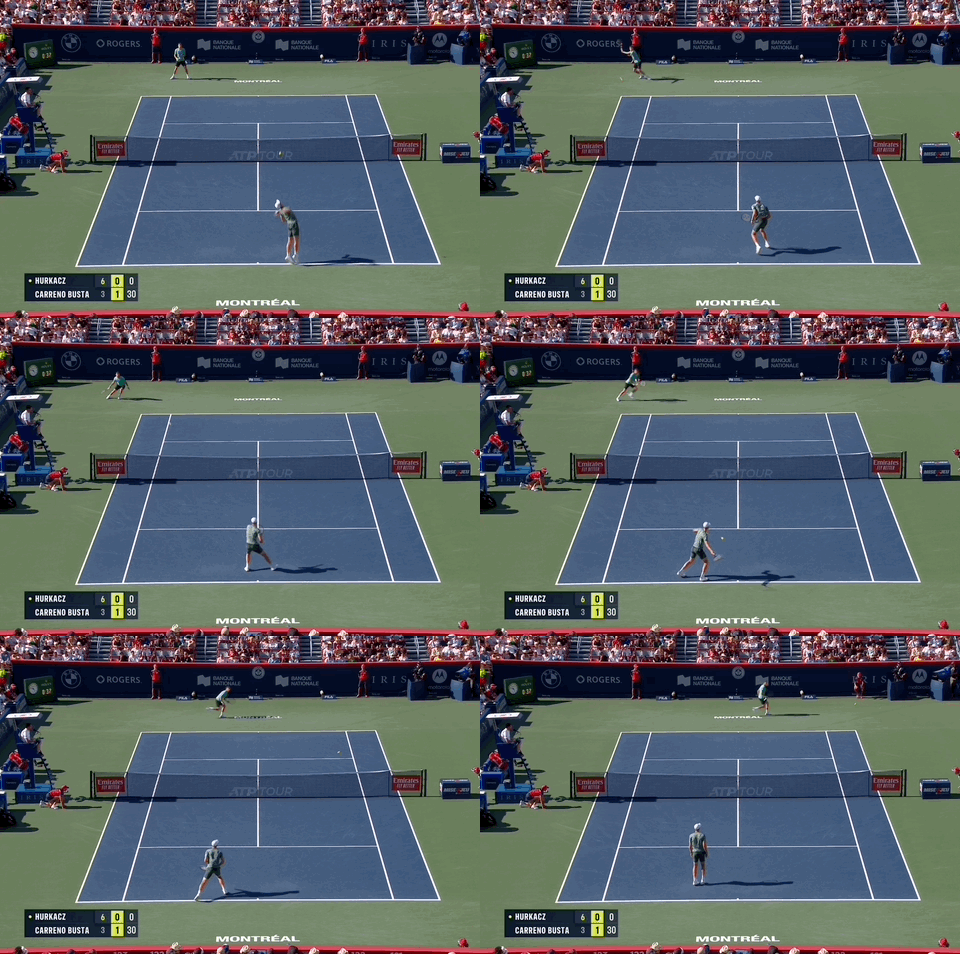
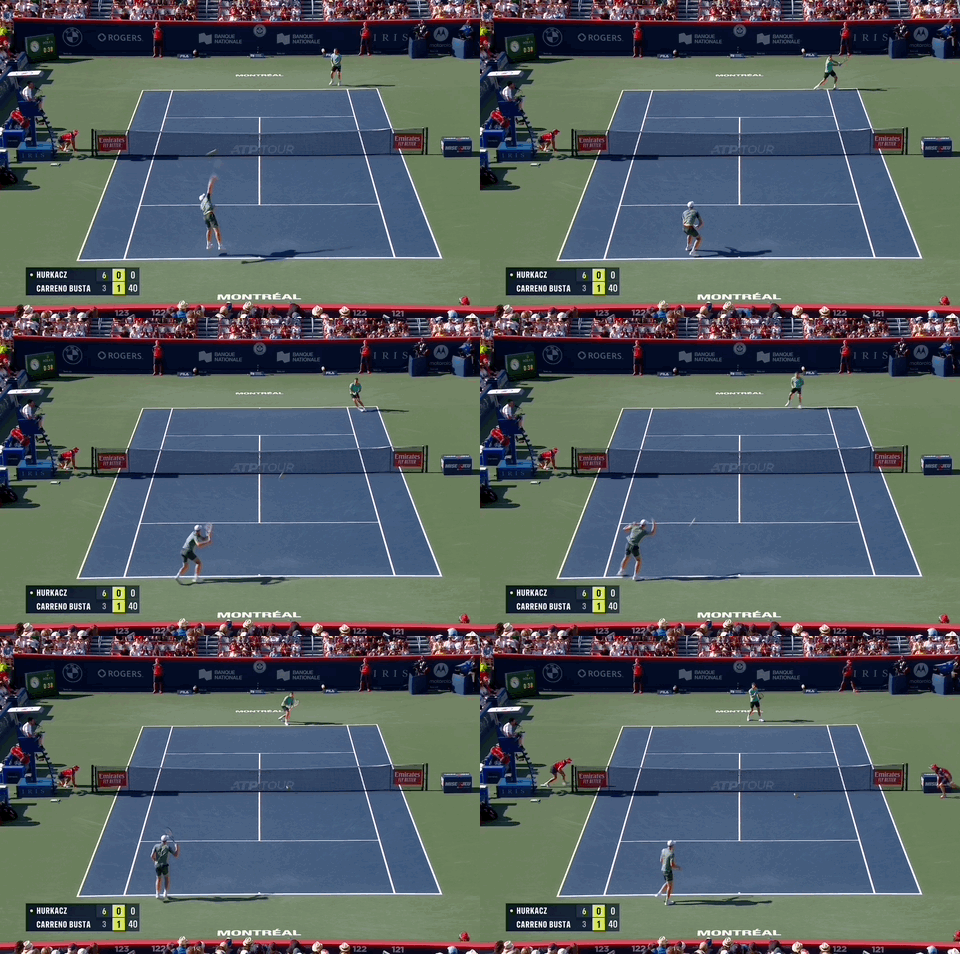
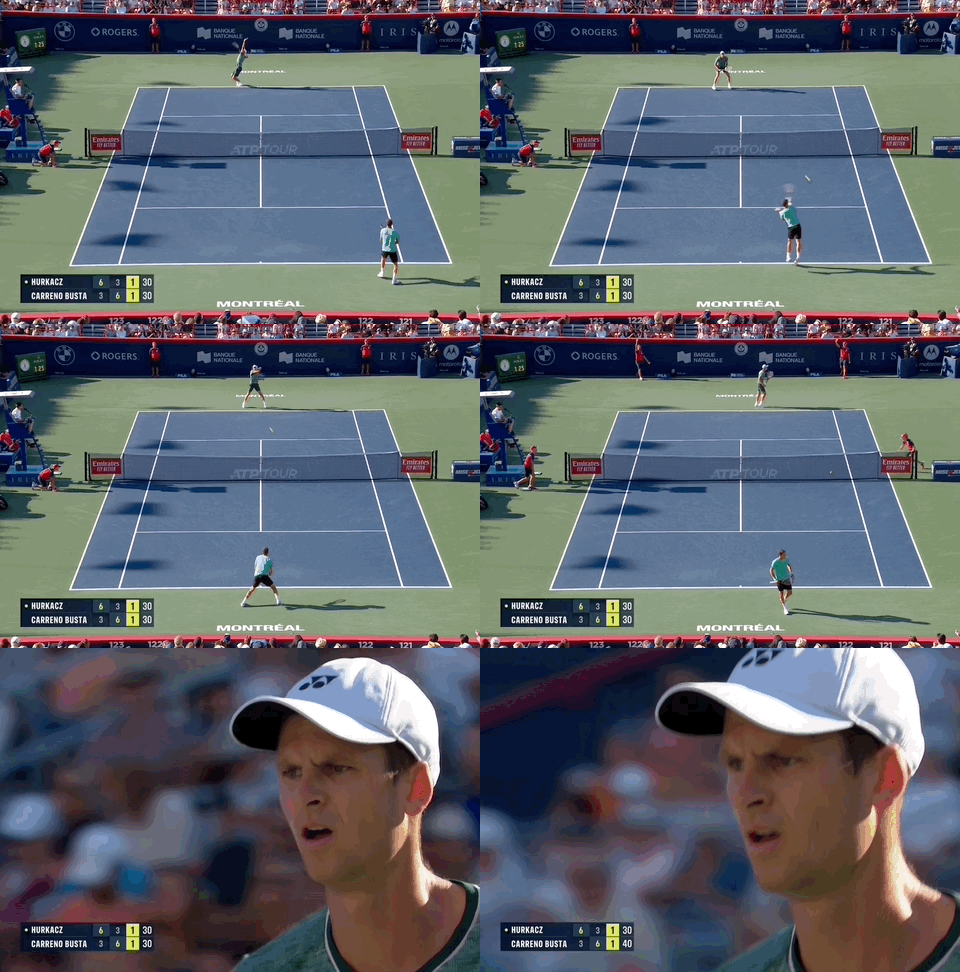
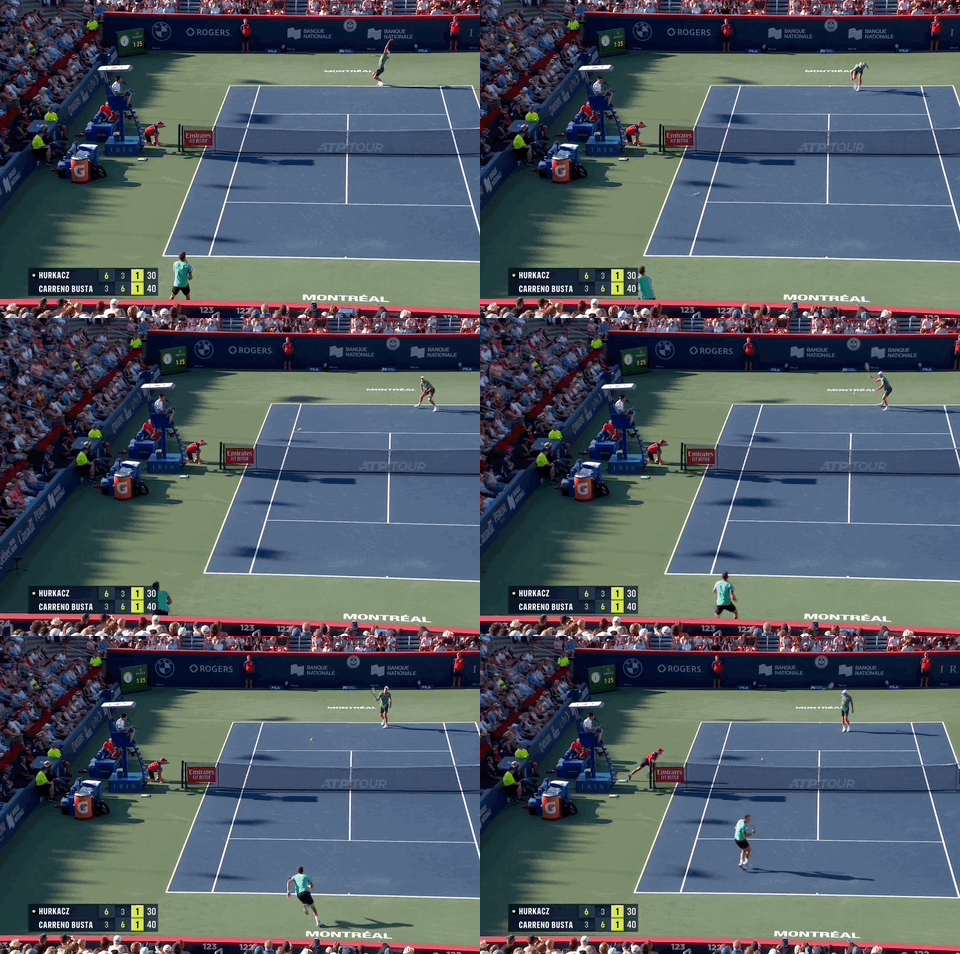
Some might point to the Pole's previously perfect final record as proof of his mental toughness. Hurkacz had won ten straight sets on the bounce in finals before losing that second set - he's a good frontrunner for sure but wasn't really asked too many pressure questions in those other five matches.
Plus there's no doubt he is mentally tough in other ways. He can do what he does best under pressure - serving, approaching the net, staying in rallies.
But there are still cracks in that forehand and it made a huge difference in this match.
How PCB Held Serve
As we mentioned on this week's podcast, it genuinely wasn't just about what Hubert Hurkacz did wrong.
After a blip in the form of a break to love in the first set, Pablo Carreno Busta covered his serve incredibly well and didn't face a single break point for the remainder of the match.
PCB is hardly known for his stellar serving (39th in the top-50 for ace-percentage this year) so how did he stave off Hubi until the end of the match?
First-Serve Strategy
Success To The Body
A bit more of an elaboration on PCB being a not-so-stellar server.
The Spaniard sometimes prioritises getting the point started with a confident serve over spot-serving his way out of trouble. Last year, he had the highest percentage of first-serves made in the top-50 at 69%2 and this year he's not far off at 8th-highest on 67%.
Though he took on aggressive first-serves throughout his match with Hurkacz (we'll get onto that), he also opted for body serves frequently throughout the match.
PCB first-serve direction:
To forehand = 18/46 = 39%
To backhand = 15/46 = 33%
To body = 13/46 = 28%
PCB's high percentage of body serves isn't an exclusive strategy used against Hurkacz, rather it's a common theme of his game. He's generally willing to simply start the point with a safe but pacey serve guaranteeing him a chance at taking the point by the scruff of the neck using his baseline chops.
Against Hurkacz however, it wound up being an overly effective strategy. With Hurkacz standing in to take on the return, even lacklustre body serves jammed up the Pole's flailing limbs giving PCB stronger plus one shots than he might have expected against other opponents.
PCB first-serve direction success:
To forehand = 14/18 = 78%
To backhand = 8/15 = 53%
To body = 10/13 = 77%
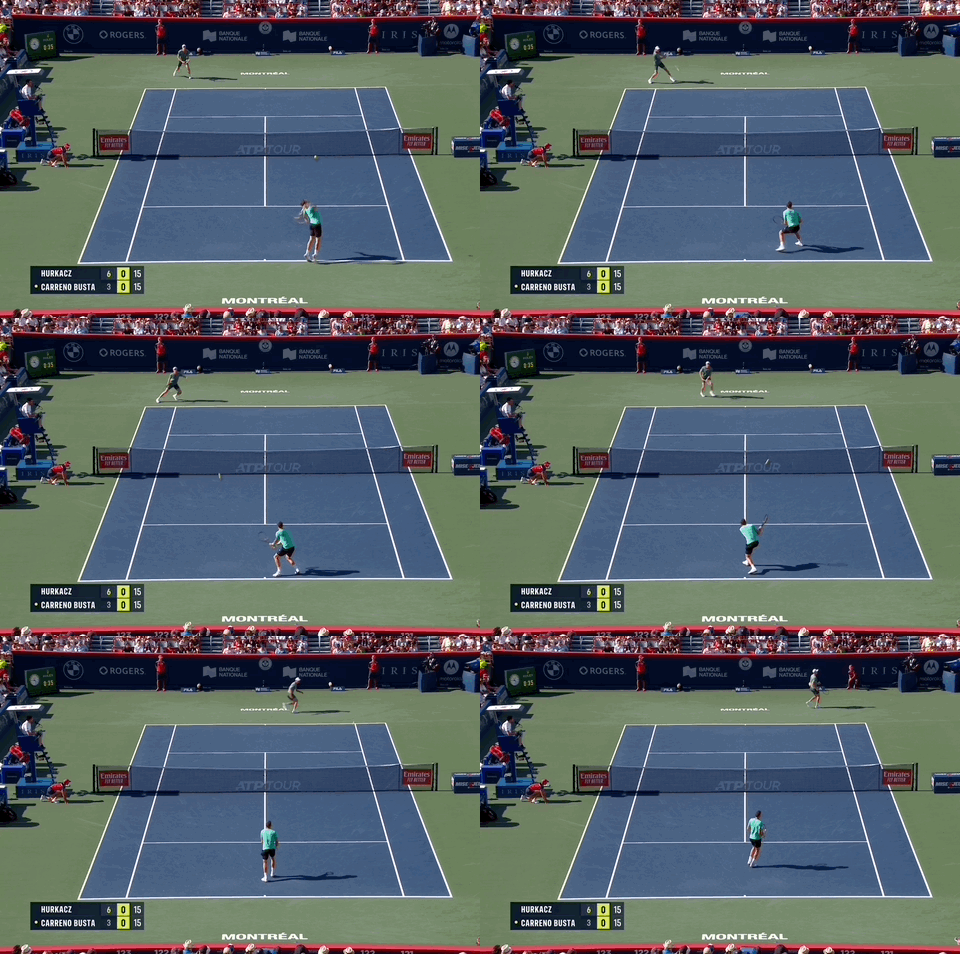
A heavy delivery to the body was often preferable to a wide serve to the backhand, Hubi able to redirect the pace of the serve with his backhand return on the stretch (note Hubi's 47% success rate when hitting a backhand return off a first-serve) - consequently, PCB reduced his amount of first-serves to the backhand from 42% in the first set to 29% in the final two sets.
Change To The Forehand
With the amount of first-serves to the backhand reduced, the number of first-serves to the forehand increased (33% in the first set to 45% in the final two sets).
This was absolutely key to PCB holding serve so frequently as his success going into this wing was pretty much assured.
Of the 25 points played where Hubi hit a forehand return off a first-serve (including body serves), PCB was able to finish the point off with an unreturned serve or on the plus one 60% of the time (!).
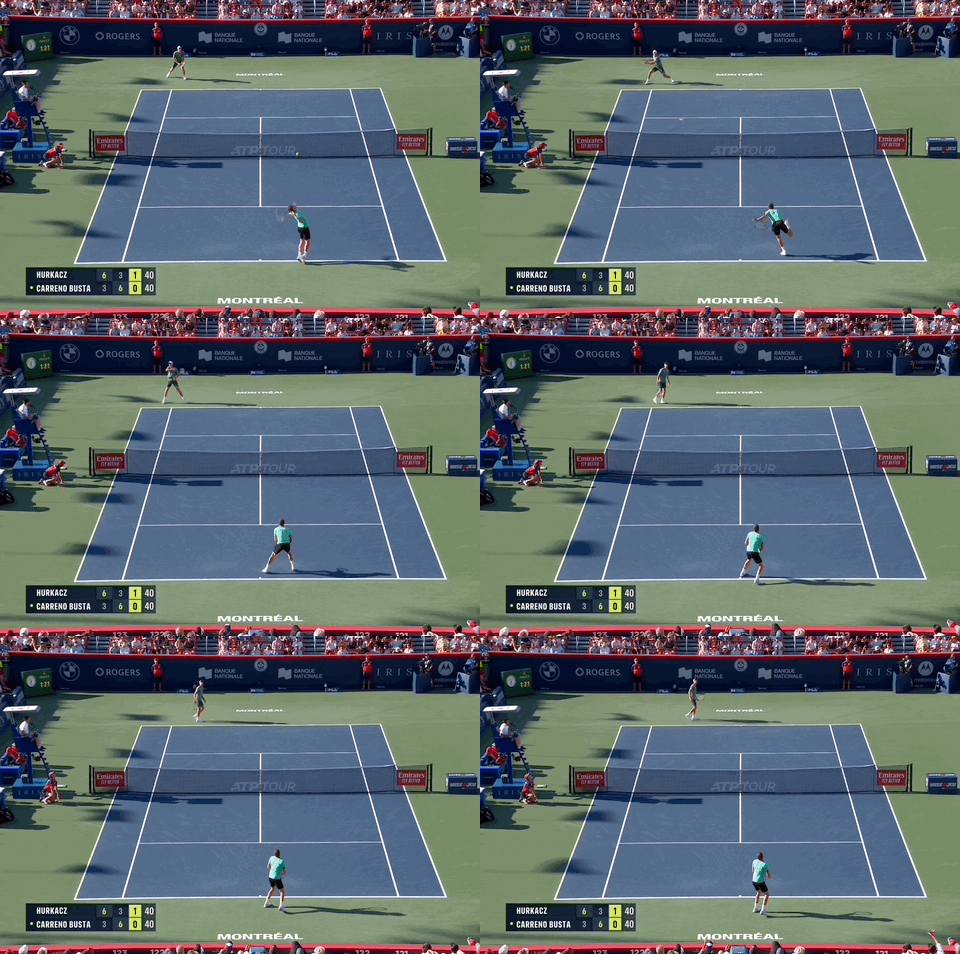
This earned PCB a cool 73% first-serves won...
Second-Serve Strategy
Perhaps the most interesting stat of PCB's performance however was his ability to cover his second-serve.
... 71% second-serve points won!
This was a common theme for PCB all week but it was particularly impressive against Hurkacz BECAUSE so many of PCB's second-serves came in the ad court (after the first set, PCB missed four of 26 first-serves in the deuce court, generally opting for safer first-serves on this side).
In the ad court, PCB has a tendency to play the kicker out wide, straight into Hubi's backhand return. Despite it falling into the Pole's strength, PCB came out on top of so many of these points winning 14 of 18 second-serves including a Hubi backhand return throughout the match).
It came down to PCB's patience in looking for his first aggressive forehand. There are points to be won rushing the Hubi forehand with your own forehand but you've got to earn it with some solid backhands first.
Let's use Casper Ruud's semifinal encounter with Hubi as a counter example.
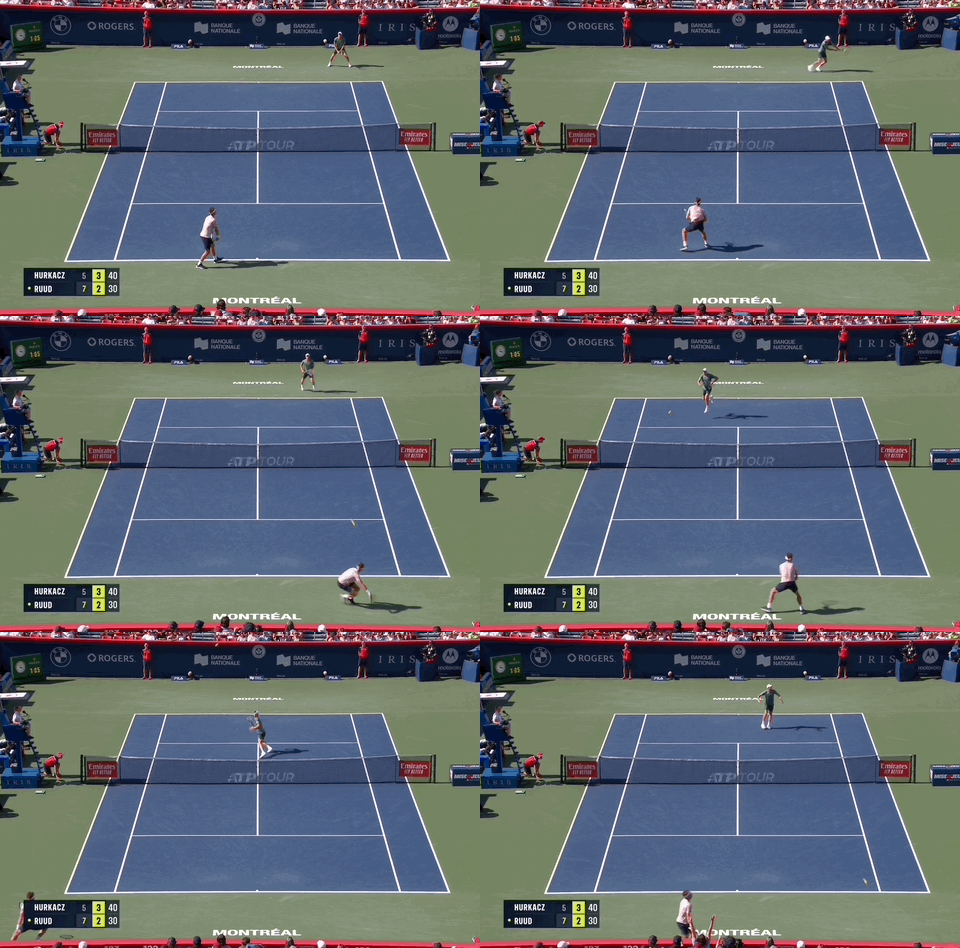
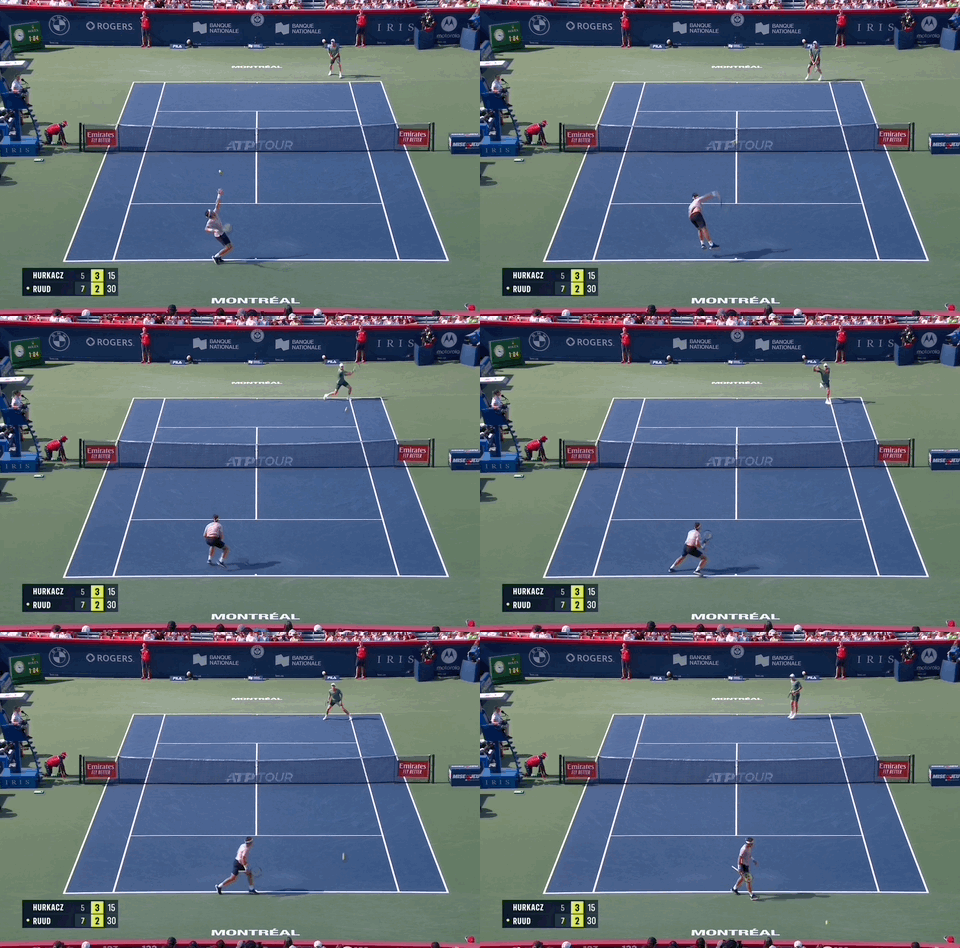
Look at how PCB chose to assess the situation and wait rather than trying to look for the quickest route through.
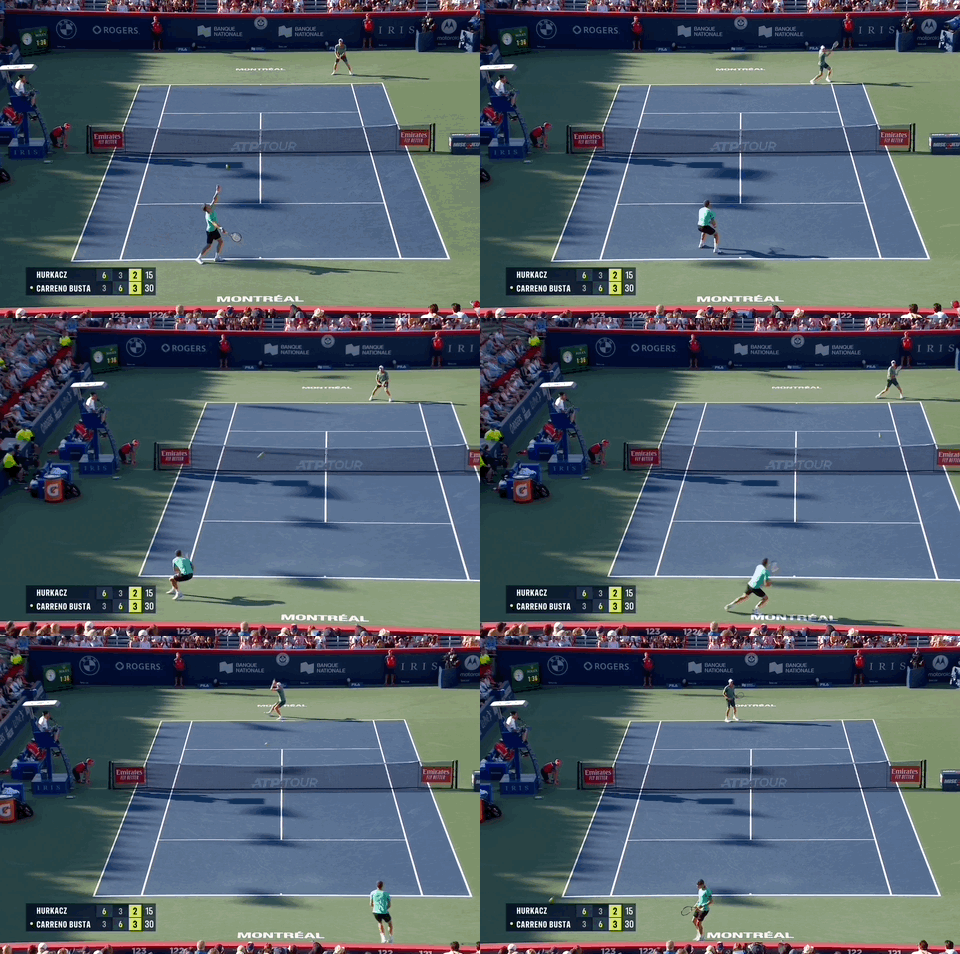
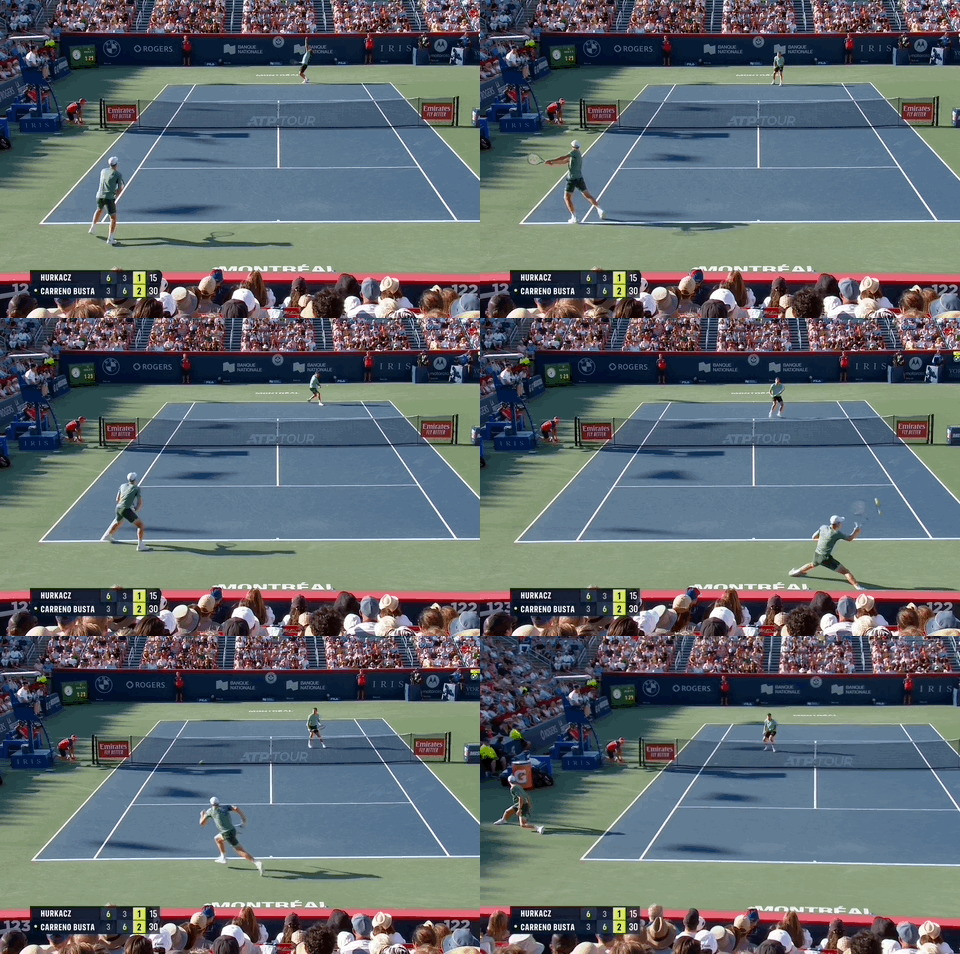
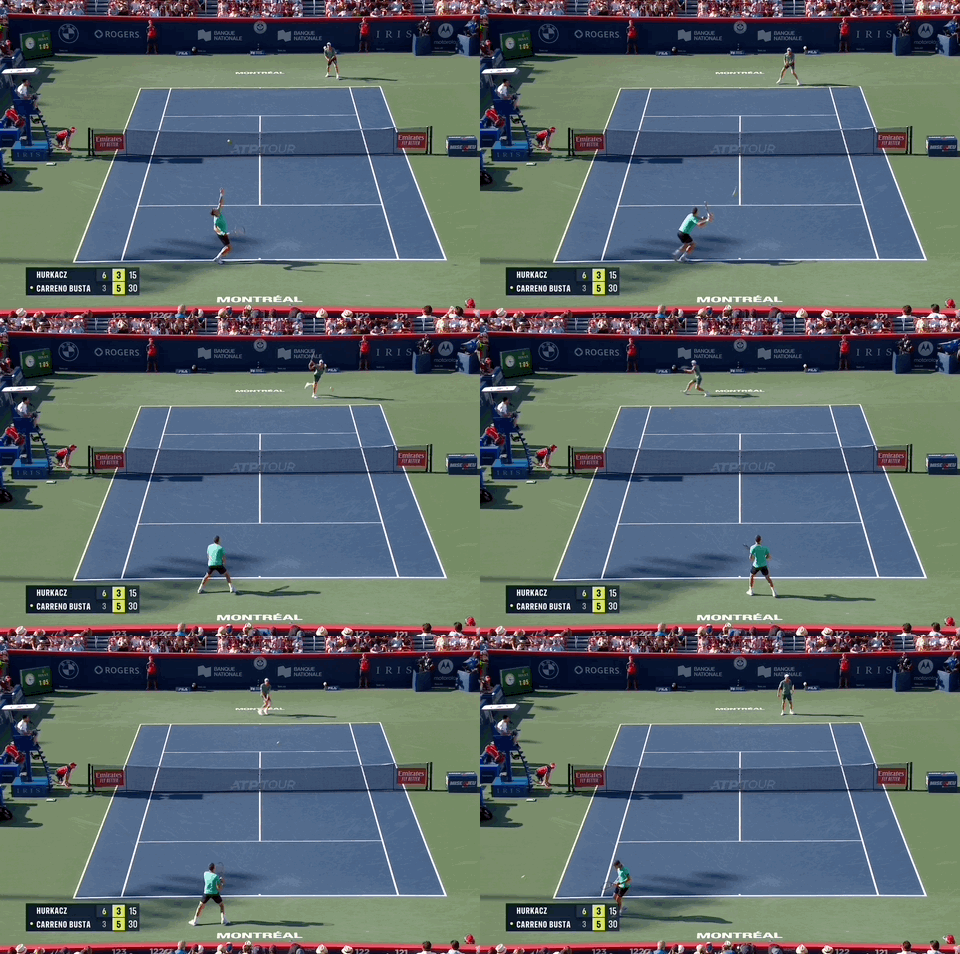
How Pablo Carreno Busta defeated Hubert Hurkacz at the 2022 Montreal Masters
Taking a breath...
Hurkacz's forehand failed him under pressure making the match a little less close than it could have been.
PCB earned plenty of cheap points by directing his first-serve into the forehand wing. Even his first-serves into the body made a decent impact due to Hurkacz's close return stance and long levers.
PCB avoided giving Hurkacz pace to work with on the backhand return as the match wore on.
PCB's kick second-serve wide to the Hubi backhand return was well covered due to the Spaniard's patience in finding that first aggressive forehand.
Plenty to chew on there.
And it all boiled down to Pablo Carreno Busta's first Masters title at 31 years old...
VAMOS PABLO! 🇪🇸
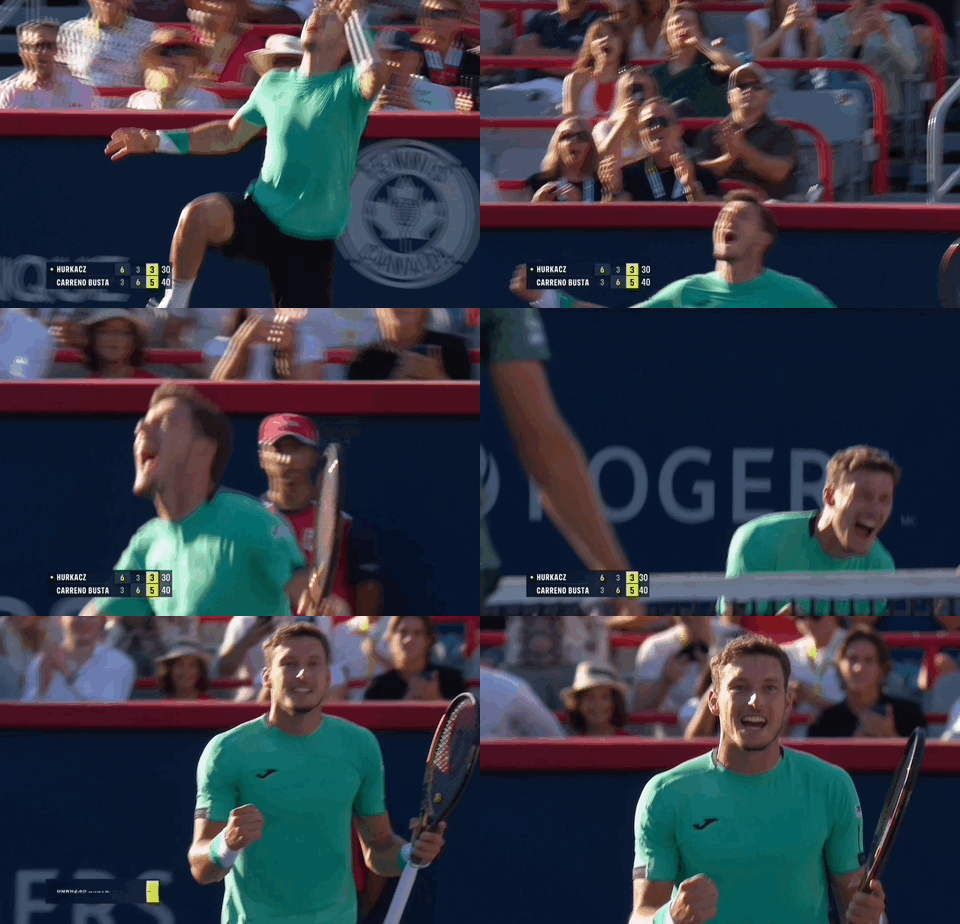
WOW.
For those that had played at least seven matches... Sebastian Baez sat at 78% having played six matches!