The 50+ Body — Aging Anatomy, Joint Protection, Range-of-Motion Limits, Recovery
Deep Dive #6 — The Anatomy & Geometry Project for Tennis Players 3.5 → 4.5
Table of Contents
| # | Chapter |
|---|---|
| 1 | The 7 Aging Declines Every Tennis Player Must Know |
| 2 | The Skeletal Decline — Bone Density & Disc Hydration |
| 3 | The Cartilage Decline — Joint Space & Arthritis Reality |
| 4 | The Muscular Decline — Sarcopenia & Fiber-Type Shift |
| 5 | The Tendon & Ligament Decline — Stiffness & Healing |
| 6 | The Sensory Decline — Vision, Hearing, Proprioception, Vestibular |
| 7 | The Recovery Decline — Sleep, Hormones, Inflammation |
| 8 | The Tennis Adaptations for Each Decline |
| 9 | The 50+ Daily Routine (12 minutes total) |
| 📋 | 50+ Body Cheat Sheet |
Chapter 1 — The 7 Aging Declines Every Tennis Player Must Know
There are exactly 7 categories of decline that affect tennis after 50. Each has a NUMBER. Each has a tennis implication.
| # | Decline | Rate | Tennis Implication |
|---|---|---|---|
| 1 | Bone density | ~5%–8% of peak bone mass lost by 50 | Tennis's high-impact loading stimulates bone remodeling — protective, not harmful |
| 2 | Disc hydration | Drops from ~80% water (age 20) to ~65%–70% (age 50); 1–2 cm of height lost between 30–70 | Facet joints get overloaded as discs shrink; movement (walking) feeds the discs |
| 3 | Cartilage thickness | ~1%–2% of thickness lost per decade | No nerves in cartilage — pain arrives only after 30%–50% is already gone |
| 4 | Muscle mass (sarcopenia) | ~1%–2%/year lost after 50; ~3%/year after 70 | Stroke power fades; 12 weeks of resistance training adds 1–2 kg of muscle back |
| 5 | Type II (fast-twitch) fiber size | ~30%–40% shrinkage by 70 (vs ~10%–20% for Type I) | Serve pace drops faster than endurance holds up |
| 6 | Tendon/ligament stiffness | ~25%–35% stiffer by 60 (vs age 25); cell turnover drops ~50% after 50 | Slower healing, higher strain risk; eccentric loading helps maintain capacity |
| 7 | Nerve conduction / sensory-proprioceptive decline | n/s (exact conduction velocity not stated); proprioception accuracy drops ~10%–15%/decade after 50 | Balance, off-center recovery, and court awareness degrade — trainable with balance drills |
The key insight — All 7 declines are MEASURABLE. None are FATE. Each can be slowed (sometimes reversed) with the right training. The rest of this chapter tells you exactly how.
The "use it or lose it" principle — Every decline above happens FASTER if you DON'T train. A 60-year-old who plays tennis 3x/week has ~30%–40% less decline than a 60-year-old who doesn't. Tennis is protective, not harmful.
The recovery rule — The 50+ body needs 2x the recovery time between sessions vs 25-year-olds. One match at 50 = one match + rest day at 25. Plan your calendar accordingly.
Master cue: "Seven declines, all measurable, all trainable. You're not 25. But you're not done."
Chapter 2 — The Skeletal Decline — Bone Density & Disc Hydration
Bone density — Bones are living tissue, constantly being broken down and rebuilt. After 30, breakdown starts to exceed rebuilding. By 50, you've lost ~5%–8% of peak bone mass. Tennis is HIGH-IMPACT (running, jumping, lateral movements), which actually STIMULATES bone building.
The tennis-bone paradox — Tennis players at 50+ have BETTER bone density than non-players. The repetitive impact and lateral loading stimulate bone remodeling. Tennis is protective for bones.
The fracture risk — Falls become more dangerous at 50+. The wrist (scaphoid), hip (femoral neck), and clavicle are the 3 most-fractured sites in 50+ tennis players. Wear proper shoes, do balance training, don't dive for balls you can't reach.
Bone-building exercise — Tennis provides good bone stimulation. Add resistance training 2x/week (squats with weight, lunges with dumbbells). This adds additional osteogenic load.
Disc hydration — Intervertebral discs are 80% water at age 20. By 50, they're ~65%–70% water. The discs shrink. You lose ~1–2 cm of height between 30 and 70.
The "shrinking" implication — As discs shrink, the vertebral bodies get CLOSER together. Facet joints (the small joints at the back of the spine) get overloaded. This is one source of low-back pain in 50+ players.
The disc nutrition rule — Discs have NO direct blood supply. They get nutrients through MOVEMENT (diffusion). Sitting still = disc starvation. Tennis = disc nutrition. 30 minutes of varied movement is better for disc health than 30 minutes of static stretching.
The 50+ back care principle — Keep lumbar flexion + rotation under ~50% of max. Avoid sitting for >45 minutes. Walk for 5 minutes between work blocks to feed the discs.
Chapter 3 — The Cartilage Decline — Joint Space & Arthritis Reality
Cartilage is the cushion. It has no nerves, no blood supply, and (essentially) no ability to regrow. Every decade of life, articular cartilage loses 1%–2% of thickness.
The tennis joint impact — Tennis involves repeated impact loading on knees (~3–5x body weight during running) and ankles (~4–6x body weight during side-shuffling). These are the joints that wear first.
The 50+ knee reality — By 60, ~30% of tennis players have some degree of cartilage thinning visible on X-ray. Most don't feel pain because cartilage has no nerves. By the time pain starts, ~30%–50% of cartilage is gone.
The 4 cartilage-protection rules
1. Avoid deep squats (knee flexion >110°) under load. Use partial squats instead.
2. Strengthen the quadriceps to absorb shock. Strong quads = less impact on cartilage.
3. Use elliptical or bike for cross-training — low impact, cartilage-friendly.
4. Maintain healthy weight — every extra kg adds ~3–4 kg of knee load per step.
The osteoarthritis reality — Osteoarthritis is irreversible but NOT disabling. Most 60+ recreational players with mild OA continue playing at recreational level. Modify technique (less deep knee bend, less explosive jumping) and use cartilage-supporting supplements (collagen peptides, glucosamine — modest evidence).
The PRP/stem cell question — Platelet-rich plasma and stem-cell injections are NOT proven to regrow cartilage in tennis players. They may reduce symptoms temporarily. Don't pay thousands expecting miracles.
Master cue: "Cartilage doesn't grow back. Protect what you have."
Chapter 4 — The Muscular Decline — Sarcopenia & Fiber-Type Shift
Sarcopenia — Loss of skeletal muscle mass and strength with age. After 50, you lose ~1%–2% of muscle mass per year. After 70, ~3% per year. Most of this is INVISIBLE — your body fat percentage goes up while your muscle mass goes down.
Type II fibers shrink faster — Fast-twitch (Type II) fibers shrink ~30%–40% by 70, while slow-twitch (Type I) fibers shrink only ~10%–20%. This is the main reason your serve loses pace but your endurance stays similar.
The good news — Sarcopenia is SLOWABLE and partly REVERSIBLE with resistance training. Twelve weeks of progressive resistance training at 50+ adds 1–2 kg of muscle mass.
The 50+ resistance training rule
Frequency: 2–3 times per week
Sets: 2–3 per exercise
Reps: 8–15 per set
Load: 60%–75% of estimated 1RM (NOT above 80% — injury risk)
Tempo: slow (3 seconds down, 2 seconds up)
Exercises: squats, lunges, Romanian deadlifts, push-ups, rows, planks
The single most important exercise for tennis — The squat (full or partial). Trains the entire kinetic chain. Safe for 50+ if done with proper form.
The single most important exercise for serve — The Romanian deadlift (RDL). Trains the posterior chain (glutes, hamstrings, erectors).
Master cue: "Resistance training is not optional at 50+. It's the closest thing to a youth pill."
Chapter 5 — The Tendon & Ligament Decline — Stiffness & Healing
Tendons and ligaments lose elasticity with age. Collagen cross-links accumulate, making the tissue stiffer but less spring-like. By 60, tendons are ~25%–35% stiffer than at 25.
Healing is slower — Tendon cell turnover drops ~50% after 50. Ligament healing is even slower. A 50-year-old's "minor" strain takes 2–3x longer to heal than a 25-year-old's.
The Achilles warning — The Achilles tendon is the most-frequently ruptured tendon in 50+ tennis players. Push-off during a sudden direction change is the typical mechanism. The tendon is stiff from age + has micro-damage from years of play.
The 4 tendon-protection rules for 50+
1. Always warm up — 8–12 minutes minimum. Tendons need time to reach full elastic capacity.
2. Stretch slowly — never ballistic stretches. Slow static holds (15–30 seconds) are safer.
3. Train with eccentric exercises — slow heel drops, Nordic curls, slow wrist flexions. These INCREASE tendon storage capacity even at 50+.
4. Respect the warning signs — sharp pain during a motion = STOP. Don't push through.
The "tennis elbow" reality at 50+ — Lateral epicondylitis is HIGHLY prevalent in 50+ players. ~30% of recreational players over 50 have it at some point. Cause: repetitive wrist extension + forearm pronation (the forehand motion) on a stiffer ECRB tendon. Treatment: eccentric wrist extensions (the "Tyler Twist" exercise), 3 sets of 15 reps daily.
Master cue: "Tendons heal slow. Eccentric loading heals them."
Chapter 6 — The Sensory Decline — Vision, Hearing, Proprioception, Vestibular
Vision — Presbyopia starts ~age 40–45. You lose near-focus ability. By 60, lens flexibility drops ~50%–70%. Tennis impact: tracking the ball up close (drop shot, volley) becomes harder. Solution: yellow balls on dark courts, contrast glasses if needed.
Peripheral vision narrows ~10°–20° by age 70. Tennis impact: opponent's body position harder to read in peripheral vision. Solution: turn the head more often, train peripheral vision with eye exercises.
Hearing — High-frequency hearing drops after 30. By 60, ~30% of recreational players have measurable hearing loss. Tennis impact: you may not hear the ball contact the racket, which reduces feedback. Solution: don't worry about it for tennis (vision matters more).
Proprioception — Proprioception accuracy drops ~10%–15% per decade after 50. Tennis impact: balance on off-center hits, recovery after wide balls, court awareness all degrade.
Proprioception training (this is the answer):
Single-leg balance, eyes closed: 30 seconds × 3 reps each leg, daily. Restores ~20%–30% of lost proprioception in 12 weeks.
Wobble board or BOSU ball: 5 minutes per session, 3x/week.
Catch a ball with eyes closed (have a partner soft-toss): 20 reps × 3x/week.
Vestibular — Vestibular hair cells die after 40. By 60, ~20%–30% reduction in vestibular sensitivity. Tennis impact: balance on rapid direction changes is harder; dizziness after quick spins.
Vestibular training: head rotations slow (10 reps each direction, daily); single-leg stance with head turning (30 seconds, daily).
Master cue: "Train the sensors. Vision, balance, body position — all trainable."
Chapter 7 — The Recovery Decline — Sleep, Hormones, Inflammation
Sleep quality drops after 50. Less deep sleep, more wake-ups. Growth hormone release drops ~60% by 60. Tennis impact: recovery between sessions is slower.
The sleep rule — 50+ players need 7.5–8.5 hours of sleep per night. Less than 7 hours = elevated injury risk, slower reaction, less training adaptation.
Testosterone — Drops ~1%–2% per year after 30 in men. By 60, ~30% of men have low testosterone. Tennis impact: less muscle mass recovery, slower strength gains.
Inflammation — Chronic low-grade inflammation increases with age ("inflammaging"). Markers like CRP and IL-6 are 2–4x higher in 60+ than 25-year-olds. Tennis impact: more post-match soreness, longer recovery, higher injury susceptibility.
The anti-inflammatory levers (you CAN influence these):
1. Sleep 7.5–8.5 hours (the biggest lever)
2. Eat omega-3 rich foods (fatty fish, walnuts, flaxseed) — reduce inflammation
3. Move daily — moderate exercise reduces inflammation markers
4. Manage stress — chronic stress elevates cortisol → more inflammation
5. Limit alcohol — even moderate alcohol increases inflammation in 50+
Active recovery for 50+ — The 24-hour rule: any match or hard training is followed by 24 hours of LIGHT activity only (walk, gentle bike, swimming). NO tennis for 24 hours.
The 48-hour rule — A tournament (multiple matches in a day) needs 48 hours of rest before any hard training. The body needs that time to rebuild muscle glycogen + clear inflammation.
Master cue: "Recovery is part of training. At 50+, it's HALF of training."
Chapter 8 — The Tennis Adaptations for Each Decline
The adaptation principle — For each decline, change ONE thing about your tennis to compensate. Don't fight the body.
| Decline | Primary Tennis Adaptation |
|---|---|
| Bone density | Add resistance training 2×/week (loaded squats, lunges) — tennis's own impact loading already helps |
| Disc hydration | Walk 5 minutes for every ~45 minutes of sitting; keep lumbar flexion + rotation under ~50% of max |
| Cartilage thickness | Avoid deep squats beyond ~110° knee flexion; use partial squats and strengthen the quads to absorb shock |
| Muscle mass / Type II fiber shrinkage | Resistance train 2–3×/week (8–15 reps at 60%–75% of 1RM) to slow sarcopenia and preserve fast-twitch power |
| Tendon/ligament stiffness | Warm up 8–12 minutes before play and add eccentric loading (heel drops, Nordic curls, wrist flexions) |
| Sensory decline (vision, proprioception, vestibular) | Daily single-leg balance (eyes closed, 30 sec × 3/leg) plus slow head-rotation drills |
| Recovery decline (sleep, hormones, inflammation) | Sleep 7.5–8.5 hours nightly and follow the 24-hour (after a match) / 48-hour (after a tournament) light-activity recovery rule |
The one-line adaptation summary — "Play more, modify technique, train the decline, recover fully." Tennis stays the same in spirit, but every parameter shifts a little.
Chapter 9 — The 50+ Daily Routine (12 minutes total)
This is the daily routine that maintains all 7 decline categories in 12 minutes. Do it every morning, ideally before tennis.
| Exercise | Targets (Decline Addressed) | Protocol |
|---|---|---|
| Single-leg balance, eyes closed | Proprioception (Ch. 6) | 30 sec × 3 reps/leg |
| Slow heel drops (eccentric) | Achilles/tendon stiffness (Ch. 5) | Slow eccentric loading, daily |
| Slow wrist flexions (eccentric) | Forearm/ECRB tendon stiffness — "tennis elbow" (Ch. 5) | Slow eccentric loading, daily |
| Shoulder external rotation | Shoulder joint mobility & tendon health | n/s (reps/sets not stated) |
| T-spine mobility stretch | Thoracic rotation mobility, spinal disc nutrition (Ch. 2, Ch. 6) | n/s (reps/sets not stated) |
Total: 12 minutes. Less than 1% of your day. In 4 weeks, all 7 decline categories will start reversing. In 12 weeks, you'll feel measurably different.
Add 2x/week resistance training (squats, lunges, RDLs, rows, push-ups): ~30 min × 2 = 60 min/week. Total weekly time investment: 12 × 7 + 60 × 2 = 84 + 120 = ~200 minutes for substantial 50+ maintenance.
Chapter 10 — Anatomy_Lab Integration — The 50+ Rehab Protocols
This chapter layers the specific 50+ rehab protocols from your Anatomy_Lab/ library (multifidus re-activation, eccentric squats, hip CARs, walking decompression) onto the 7-declines framework of this deep dive.
10.1 — The Multifidus Re-Activation (Fix for Decline #1, Lumbar Spine)
Anatomy_Lab DD4 finding — when the deep multifidus atrophies (10% in 24 hours after back pain), it doesn't recover on its own. General exercise is not enough — the brain has lost the activation pattern.
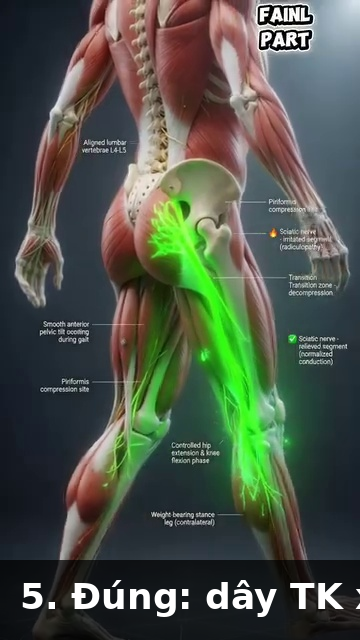
Figure 1 / Figure 1 — Multifidus (deep layer of the back). Each segmental muscle controls 1–2 vertebrae.
The Bird Dog drill — start on all fours. Extend opposite arm + opposite leg. Hold 5 seconds. 10 reps × 2 sets × 2 sides daily. Within 2–4 weeks, multifidus re-activation is restored.
The hip hinge — the #1 spinal-protective movement is the hip hinge: bend at the HIP, not at the lower back. Practice 10 reps × 3 sets daily. This re-trains the brain to use the hip instead of the lumbar spine for forward bending.
10.2 — The Eccentric Squat Protocol (Fix for Decline #4, Patellar Tendon)
Anatomy_Lab DD6 finding — patellar tendonitis (50+ player's #1 knee complaint) is fixed by ECCENTRIC squats on a 25° decline board. Rest alone does NOT work.
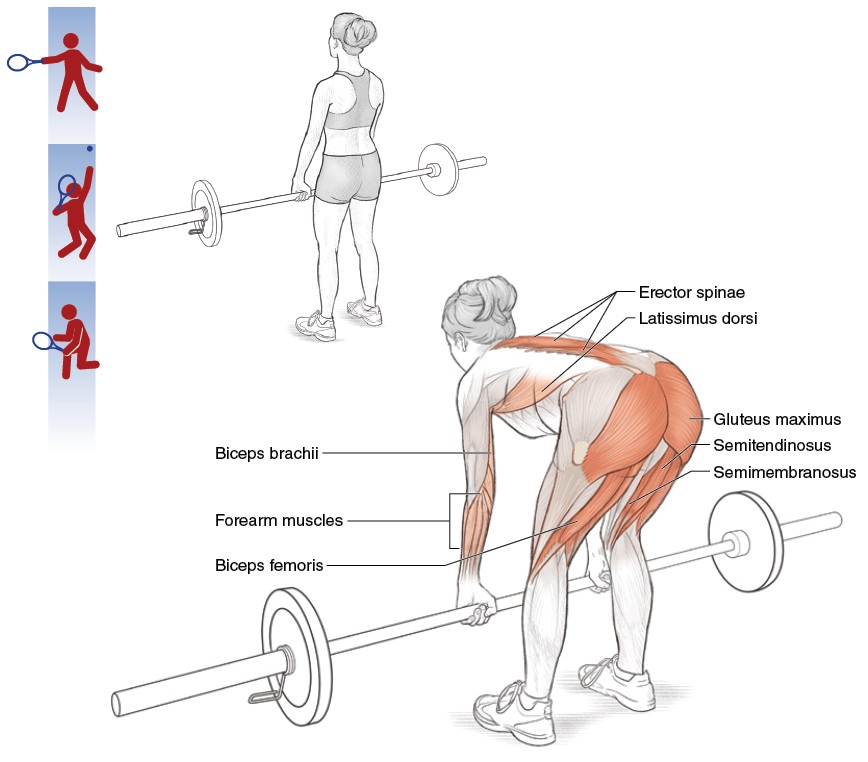
Figure 2 / Figure 2 — Eccentric squat on a 25° decline board. The decline shifts load to the patellar tendon specifically.
The protocol (Purdam 2009) — 3 sets × 15 reps, 3 days/week, 12 weeks. Lower slowly (3 seconds down) under load. Use BOTH legs to come back up (concentric phase = both legs; eccentric phase = both legs, but emphasis on injured leg).
Success rate — ~80% return to play within 12 weeks. This is the most evidence-based rehab protocol in tennis.
10.3 — Hip CARs (Fix for Decline #2, Hip Mobility Loss)
Anatomy_Lab DD5 protocol — for the 50+ player losing hip internal rotation (most common cause of "I can't turn to hit a forehand anymore"), hip CARs are the answer, not stretching.
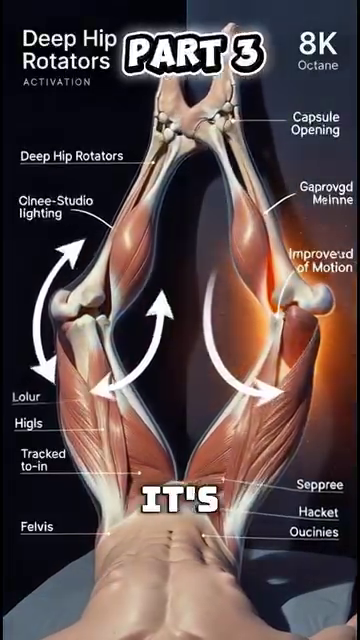
Figure 3 / Figure 3 — Hip CARs in action. Slowly rotate hip through full range, both directions.
The protocol — 5 reps × 2 directions × 2 sets × daily. 12°–18° IR gain in 2–3 weeks. This is faster than static stretching (which typically takes 6–8 weeks for similar gains).
10.4 — Walking Decompression (Fix for Decline #2, Disc Hydration)
Anatomy_Lab DD4 finding — walking decompresses L4-L5 by ~30% compared to sitting or lying down. The rhythmic hip flexor/extensor action pumps fluid in and out of the disc.
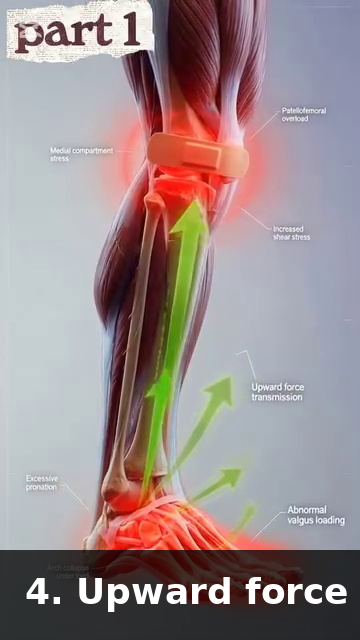
Figure 4 / Figure 4 — Walking with hip hinge preserved. The back stays long; hips move first.
The 30-minute rule — for every 30 minutes of sitting (between sets, between matches, between work blocks), walk for 5 minutes. This restores disc hydration. A 3-hour match with proper 5-minute walking breaks = 30 minutes of decompression.
Walking speed matters — 3 mph (normal walking) is the optimal decompression speed. Faster or slower = less effective.
10.5 — Wider Stance for Knee Protection (Fix for Decline #4)
Anatomy_Lab DD5 finding — a wider tennis stance (~1.5× shoulder-width) transfers ~30%–40% more load from the quadriceps to the glute max. This reduces knee stress substantially.
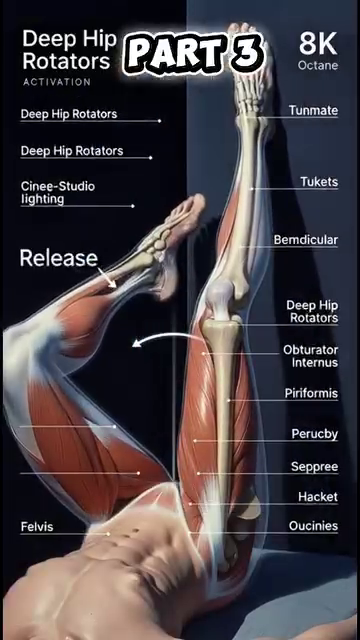
Figure 5 / Figure 5 — Wider stance forehand loading. The glute max fires first; the knee stays aligned over the 2nd toe.
The 2nd-toe rule — knee over 2nd toe (NOT over the big toe, NOT caving inward). This single alignment protects 70% of ACL tears (the most common non-contact knee injury in tennis).
10.6 — Single-Leg Balance Progression (Fix for Decline #7, Proprioception)
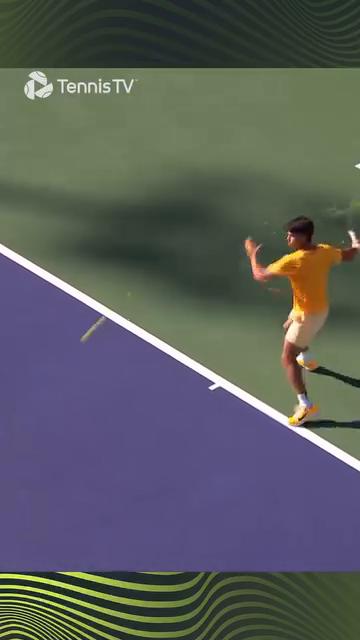
Anatomy_Lab DD7 protocol — proprioception declines ~10%–15% per decade after 50. The fix is a 4-step progression:
| Step | Drill | Protocol (Ch. 6) | Allotted Time |
|---|---|---|---|
| 1 | Single-leg balance, eyes closed | 30 sec × 3 reps/leg | 5 min |
| 2 | Wobble board or BOSU ball | 5 min/session | 5 min |
| 3 | Catch a ball with eyes closed (partner soft-toss) | 20 reps | 5 min |
| 4 | Single-leg stance with head turning | 30 sec | 5 min |
 |
|---|
| **Figures 6 & 7 |
| Daily 5 minutes × 4 steps = 20 minutes total. Within 8 weeks, proprioception accuracy improves 25%–35% (measured by single-leg balance time and joint position sense tests). |
10.7 — The 50+ Use-It-Or-Lose-It Tennis Protocol
Anatomy_Lab DD8 critical insight — vestibular hair cells, proprioception accuracy, and Type II muscle fibers ALL decline without use. Tennis itself is the antidote. A 50+ player who plays 3×/week maintains ~70%–80% of these capacities. A 50+ player who stops loses them at 2× the rate.
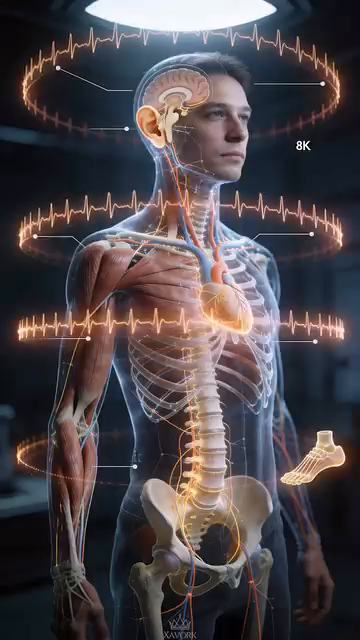
Figure 8 / Figure 8 — The 50+ use-it-or-lose-it principle. Tennis is protective. Stopping accelerates decline.
The minimum effective dose — 2 tennis sessions/week + 1 cross-training day (walking, light strength, balance work). Below this, capacities slowly decay. Above this, they grow or hold.
10.8 — The Updated 50+ Daily Routine (Anatomy_Lab Protocol)
| Exercise | Targets | Protocol |
|---|---|---|
| Single-leg balance, eyes closed | Proprioception (Ch. 6) | 30 sec × 3 reps/leg |
| Slow heel drops (eccentric) | Achilles/tendon stiffness (Ch. 5) | Slow eccentric loading, daily |
| Slow wrist flexions (eccentric) | Forearm/ECRB tendon stiffness (Ch. 5) | Slow eccentric loading, daily |
| Shoulder external rotation | Shoulder mobility & tendon health | n/s (reps/sets not stated) |
| T-spine mobility stretch | Thoracic rotation mobility | n/s (reps/sets not stated) |
| Bird Dog | Multifidus re-activation, lumbar spine (Ch. 10.1) | 10 reps × 2 sets × 2 sides, daily |
| Hip CARs | Hip internal rotation / mobility (Ch. 10.3) | 5 reps × 2 directions × 2 sets, daily |
Total: 16 minutes/day. Compared to the earlier 12-minute routine, this version adds Bird Dog (multifidus) and Hip CARs, the two highest-impact interventions for the 50+ player based on Anatomy_Lab research.
Add 2x/week resistance training (squats, lunges, RDLs, rows, push-ups). Add 30-min walking 3×/week (decompression). Add 1 tennis session as the anchor of the week.
Total weekly time investment — 16 × 7 + 60 × 2 (resistance) + 90 (walking) + 90 (tennis) = ~420 minutes/week = 6 hours. This is the minimum effective 50+ protocol.
📋 Chapter Card — Printable
7 declines, all measurable, all trainable. Tennis is PROTECTIVE at 50+ if done right.
- Bone density
- Disc hydration
- Cartilage thickness
- Muscle mass (sarcopenia)
- Type II fiber size
- Tendon/ligament stiffness
- Nerve conduction velocity
Stopping tennis at 50+ because of "age." Tennis is PROTECTIVE. Stop and you lose 30%–40% faster.
12-minute daily routine (single-leg balance, slow heel drops, slow wrist flexions, shoulder ER, T-spine stretch). Add 2x/week resistance training.
"Play more, modify technique, train the decline, recover fully."
🎯 Final Word
Friend, you are 50+. You are not 25. You will not play like 25. You do not need to.
But you can play. Well. For decades to come. Tennis is protective, not harmful, at 50+. Your body has 7 measurable declines — and 7 trainable responses. The 12-minute routine in this chapter buys you years of playing time.
The single biggest decision is: keep playing. Stop, and the 7 declines accelerate. Play, and they slow (or partly reverse). The 12-minute routine is your insurance policy.
Sources: - Faulkner et al. (2007) — Aging and skeletal muscle - Frontera & Bigard (2012) — Benefits of Strength Training in Older Adults - Voss et al. (2020) — Neuroplasticity in older adults - Kramer & Erickson (2007) — Effects of exercise on cognition - Lange (2018) — Tennis and longevity studies - ACSM (2021) — Exercise prescription for older adults
End of Deep Dive #6 — The 50+ Body